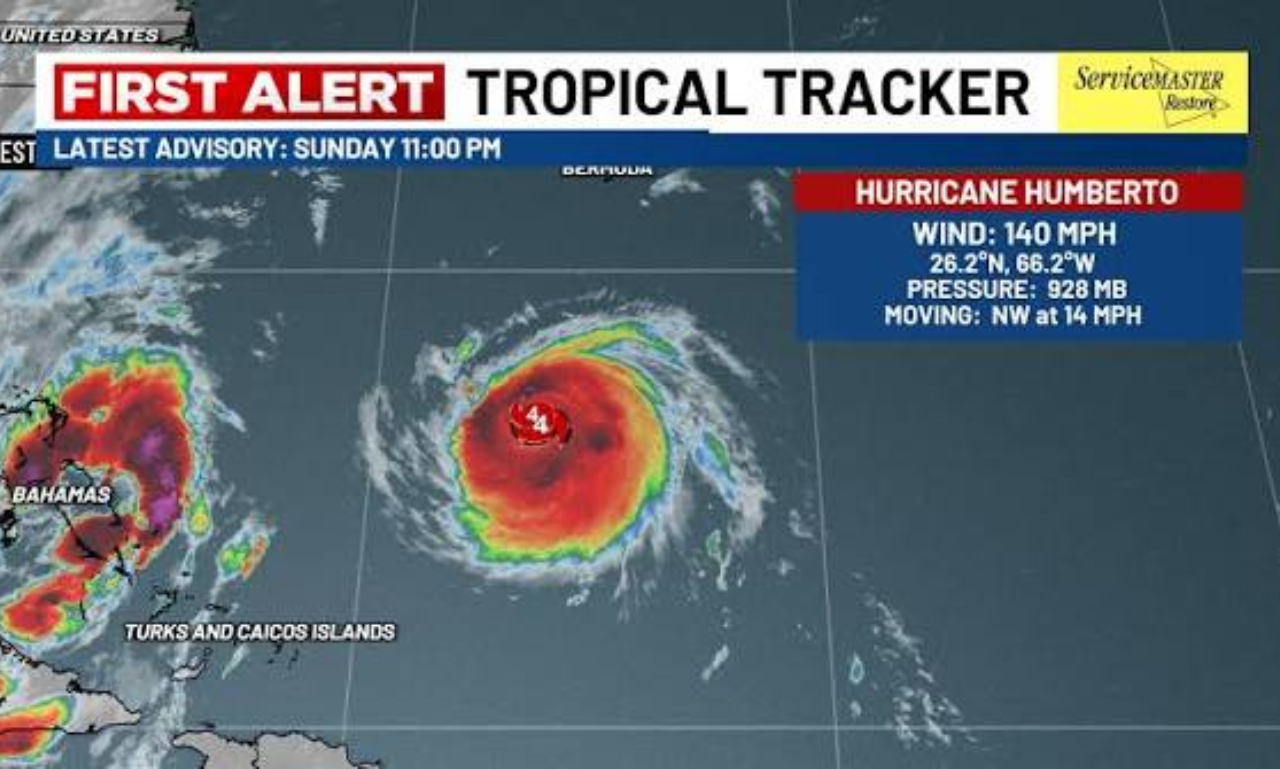
When a massive storm starts brewing over the warm ocean waters, every single second counts. Knowing exactly where a storm is heading can save your life, your home, and your peace of mind. That is where a reliable hurricane tracker becomes your absolute best friend. Looking at a giant swirling storm on a map can feel scary, but understanding how to read these tools changes everything. Instead of feeling helpless, you get the power to make smart choices for your family long before the wind starts to howl.
In this deeply helpful, people-first guide, we will break down how modern tracking systems work in simple terms. You will learn about the official tools scientists use to keep us safe from coast to coast. We will also peek at major past weather events to see exactly how these interactive visual maps perform when it matters most. Grab a cup of coffee, settle in, and let us learn how to navigate storm seasons together with absolute confidence.
What Is a Hurricane Tracker and Why Do You Need It?
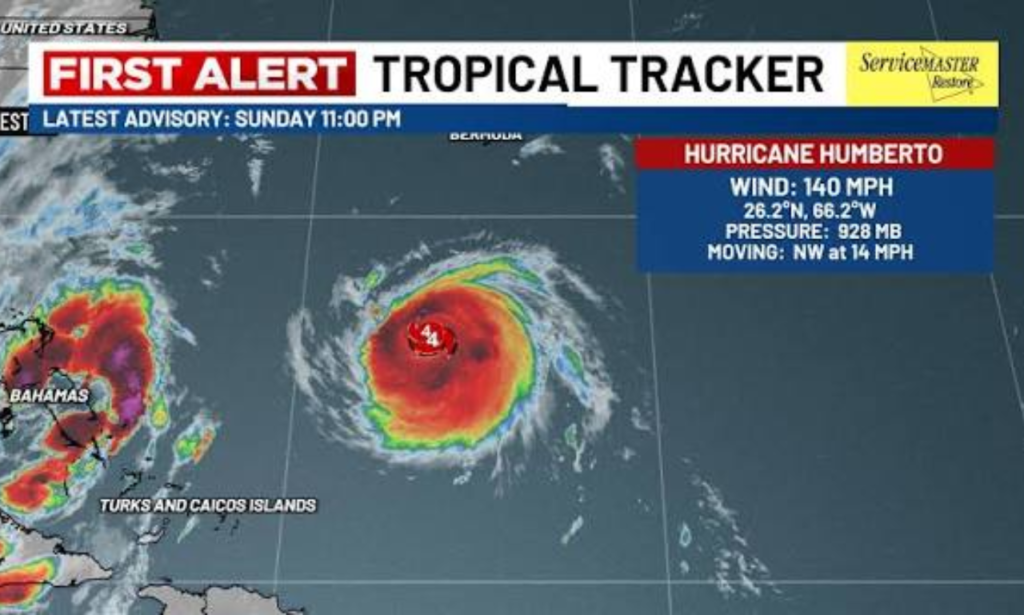
A hurricane tracker is a specialized digital mapping tool that shows the past path, current location, and predicted future route of a tropical cyclone. Think of it as a live GPS for the biggest storms on Earth. These maps gather millions of data points from space, ocean buoys, and airplanes to sketch out a storm’s behavior. For anyone living near a coast, keeping an eye on a current hurricane tracker is the ultimate way to avoid being caught off guard by dangerous weather.
Having access to a live hurricane tracker completely changes how communities prepare for natural disasters. Years ago, people had to rely only on brief radio updates to know if a storm was coming. Today, you can pull up a live hurricane tracker on your smartphone while sitting in your living room. This instant access gives you the precious time needed to board up windows, pack up essential documents, and evacuate safely if local officials say it is time to go.
Inside the NOAA Hurricane Tracker Technology
The most trusted name in storm tracking is the National Oceanic and Atmospheric Administration, widely known as NOAA. The official noaa hurricane tracker uses an incredible network of high-tech tools to watch the skies constantly. Their advanced weather satellites sit high above Earth, snapping detailed pictures of clouds every few minutes. At the same time, specialized ocean buoys measure water temperatures, which tell meteorologists if a storm is about to find more fuel to grow stronger.
National Environmental Satellite, Data, and Information Service NESDIS – NOAA
When a storm gets really serious, NOAA even sends brave pilots flying modified airplanes right into the middle of the raging eye. These aircraft drop small sensor tubes that measure exact wind speeds and air pressure on their way down to the ocean. All this fresh data feeds directly into the hurricane tracker noaa public dashboard. When you look at their official graphics, you are viewing the most precise scientific data available on the planet.
Tracing the Path with an Atlantic Hurricane Tracker
The vast body of water between Africa and America is famous for producing some of the most historic storms in history. An atlantic hurricane tracker focuses heavily on this specific region, watching waves move off the African coast. These waves often grow into spinning systems as they travel across the deep, warm ocean. Using a dedicated hurricane tracker atlantic view helps meteorologists see these threats up to a full week before they get close to land.
During peak season, the atlantic hurricane tracker map can get incredibly busy with multiple spinning systems active at the exact same time. These tracking interfaces use distinct color codes to separate minor tropical depressions from massive, high-category hurricanes. By monitoring these systems early, emergency managers along the East Coast can run safety drills and coordinate supplies well before any coastal watches are issued.
Navigating the Florida Hurricane Tracker System
Florida has more landfalls from tropical systems than any other state in America. Because of this unique position, a reliable florida hurricane tracker is a standard tool in almost every household in the Sunshine State. From the sandy beaches of the Keys up to the panhandle, local residents know that a storm can shift its path unexpectedly. Using a specialized hurricane tracker florida map allows families to zoom directly into their specific county to see local threat levels.
The state works hand-in-hand with national weather scientists to keep the florida hurricane tracker network fast and accurate. Local television stations combine these national feeds with local radar towers to create hyper-local warning zones. This means if you are checking a hurricane tracker florida app, you can see exactly when tropical-storm-force winds are expected to arrive in your neighborhood, down to the specific hour.
How to Read a Hurricane Tracker Map Correctly
Looking at a hurricane tracker map for the first time can feel a little bit confusing with all its lines and shapes. The most important feature on the map is the large cone shape extending out from the storm, often called the “cone of uncertainty.” Many people mistakenly think the cone shows how physically large the storm will get, but that is not true. The cone actually shows the most likely path the center of the storm might take over the next few days.
As you look further out into the future on a hurricane tracker map, you will notice the cone gets much wider. This happens because weather forecasting models naturally lose accuracy over longer periods of time. A good weather hurricane tracker will also show external bands of rain and wind stretching far outside that central cone. This reminds viewers that severe impacts like flooding can happen far away from where the center makes landfall.
Harnessing the Power of a Hurricane Tracker Live Radar
Standard maps show paths, but a hurricane tracker live radar shows you the actual rain and wind happening at this exact second. Radar systems work by bouncing microwave signals directly off raindrops in the atmosphere. The stronger the signal bounces back, the heavier the rainfall is in that specific spot. Checking a hurricane tracker live radar lets you see the dangerous, spinning rainbands as they move over coastal communities.
Using a hurricane tracker live radar display helps you identify the most dangerous part of the storm, which is the intense eyewall surrounding the calm center. This view is incredibly helpful for tracking tornadic activity that often spawns inside a tropical system. Watching a hurricane tracker live screen gives regular citizens the exact same visual perspective that professional emergency teams use to deploy rescue vehicles.
Looking Back: Lessons from the Hurricane Tracker 2025 Season
The recent hurricane tracker 2025 season provided some of the most intense and educational moments for weather scientists in recent memory. Warm ocean temperatures caused several storms to strengthen at historic speeds. This forced families to rely heavily on their favorite hurricane tracker 2025 apps to stay updated on sudden category jumps. It proved that checking your weather tools once a day is simply not enough during active cycles.
The data gathered during those months helped scientists fine-tune their computer simulation models for future storms. We learned that coastal flooding and storm surges are often much more destructive than high winds alone. The hurricane tracker 2025 archives serve as a powerful reminder that preparation must happen long before a tropical system ever gets named by meteorologists.
Deep Dive: The Erin Hurricane Tracker History
One of the most notable storms from that memorable year was Hurricane Erin, a massive system that scientists watched closely. The erin hurricane tracker data showed it starting as a small wave near Africa before exploding into a Category 5 monster out at sea. Millions of people utilized the hurricane tracker erin updates to see if the storm would make a direct turn into major East Coast cities.
National Environmental Satellite, Data, and Information Service NESDIS – NOAA
Thankfully, the tropical storm erin hurricane tracker history shows the storm stayed mostly offshore, but its massive size still caused major coastal issues. The outer bands created dangerous rip currents and beach erosion from the Carolinas up to New Jersey. Following the hurricane tracker erin pathway taught beach communities that a storm does not need to make a direct mainland landfall to cause serious damage.
NASA Science
Tracking the Pacific: The Tropical Storm Gil Hurricane Tracker
While the Atlantic ocean gets a lot of media attention, the Pacific basin can be just as active. The tropical storm gil hurricane tracker followed a system that formed beautifully off the western coast of Mexico. Because it stayed over the open ocean waters, it did not cause major damage to coastal towns. However, tracking this system was still vital for commercial shipping boats traveling through those busy waters.
Watching the tropical storm gil hurricane tracker gave scientists excellent data on how storms behave when they encounter cooler northern waters. The system eventually lost its spinning energy and melted away into a regular rain system. This shows that a national weather hurricane tracker is just as important for keeping sailors safe at sea as it is for protecting houses on land.
Choosing Between the Fox Hurricane Tracker and National Tools
When a big storm approaches, you have to decide where to get your visual updates. Many people love using private media options like the fox hurricane tracker because the television presenters explain the science in a very friendly way. These stations use beautiful graphics and interactive screens to make complex weather data easy for children to understand. They do an excellent job of keeping communities calm but informed.
On the other hand, relying directly on a national hurricane tracker source like the government provides raw, unedited data without any media flair. Both options are great, and many families use them together. You can use a national hurricane tracker site to get the official warnings, then switch to a local media stream to see how those warnings affect your specific neighborhood streets.
Storm Tracking Comparison Guide
To help you choose the right tracking tool for your family, here is a breakdown of how the top platforms compare across different features.
| Tracker Platform | Main Data Source | Best Feature | Best Used For |
| NOAA Tracker | Government Satellites & Aircraft | Official Watches and Warnings | Getting official evacuation orders |
| Live Radar Tools | Local Ground Radar Towers | Real-Time Rainband Tracking | Watching exact storm impacts hour-by-hour |
| Media Trackers | Hybrid NOAA & Private Models | Simplified Explanations | Easy family updates and local road closures |
Frequently Asked Questions About Storm Tracking
What does the line in the middle of a hurricane tracker map mean?
The line represents the absolute center of the forecast path. However, you should never focus only on the line. A storm is usually hundreds of miles wide, meaning bad weather will happen far away from that center line.
How often does a live hurricane tracker update its map?
Official tropical forecasts usually update every six hours during a normal storm. If a hurricane is actively making landfall or threatens a coast, updates often come out every two or three hours.
Can a hurricane tracker predict exactly where a storm will hit?
No tool can predict the future perfectly. The maps show a highly educated scientific guess based on current wind patterns and ocean temperatures, which is why the path changes slightly with each new update.
What is the difference between a storm watch and a storm warning?
A watch means tropical storm conditions are possible within 48 hours. A warning is much more serious. It means dangerous tropical winds are expected inside your area within 36 hours, and you must take action immediately.
Why do some storms change direction so suddenly on the radar?
Storms are pushed across the Earth by large, invisible high-pressure and low-pressure systems in the atmosphere. If one of these steering systems moves or weakens unexpectedly, the hurricane will pivot into a new direction.
Are smartphone tracking apps accurate during a major power outage?
The apps themselves stay accurate, but they require a cellular data connection or Wi-Fi to load fresh data. It is always smart to keep a backup battery-powered weather radio in your emergency kit just in case cell towers go down.
Staying Prepared and Moving Forward
Understanding how to use a hurricane tracker is one of the most powerful safety skills you can learn. These digital tools remove the mystery from extreme weather events and give you concrete facts to protect the people you love. By monitoring trustworthy sources like NOAA and your local news stations, you can transform scary weather forecasts into actionable safety plans.
Do not wait until a storm enters the ocean to start preparing your emergency resources. Take a few minutes today to bookmark a reliable tracking map on your phone and talk to your family about your evacuation routes. Staying informed is the ultimate key to staying safe when nature shows its incredible power.
This detailed video breakdown explains exactly how massive storms like Hurricane Erin can grow to historic sizes and impact coastlines even without making a direct mainland hit: Hurricane Erin Size Analysis